The West
Madagascar
 Back to Madagascar
 The West, Madagascar
The west of Madagascar is drier than the east, and consequently large pockets of deciduous forest flourish here, harbouring a wealth of rare and endemic wildlife.
Tailor-made holiday to Madagascar
Thank you so much for all of your help in organizing our trip. We had such a great time!
Featured itineraries
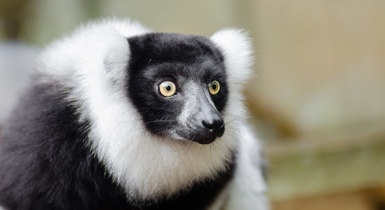
Madagascar East and West
From the Pangalanes Canal to the Kirindy Forest Reserve, explore the contrasting sights and sounds of Madagascar’s eastern and western coastlines on this 13-day journey beginning and ending in Tana.
Destination
- Madagascar
Experience
- Family Travel
- Cultural Holidays
- Safari and Wildlife Holidays
Prices from £3250 pp
Read more
Accommodation
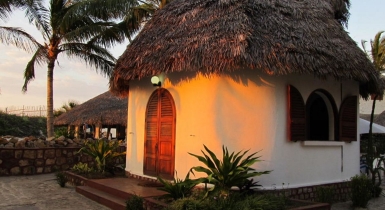
Chez Maggie
The tranquil retreat of Chez Maggie was one of the first properties to be built on Nosy Kely. It offers spacious bungalow accommodation in a pretty garden setting, with generous beach front.
Read more
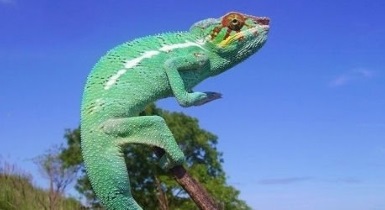
Kirindy Lodge
Nestled within Kirindy Forest, Kirindy Lodge offers simple accommodation in a fabulous setting. A decidedly simple bush lodge, Kirindy accommodates its guests in basic wooden bungalows with limited amenities.
Read more
At the Summit of Mount Stanley
There’s nothing more helpful than talking to people who know the realities of climbing in such an environment.