The wonderful island retreat of Madagascar is naturally an excellent destination for a beach holiday, but with a rich past and a diverse range of ecosystems, Madagascar is also an ideal destination for those looking to delve further into Africa's rich history and culture, or for wildlife enthusiasts looking to experience an alternative African wildlife holiday, away from the usual safari routes of Eastern and Southern Africa. Whatever attracts you to the island, holidays to Madagascar are always exciting and unique.
A prominent chain of mountains cuts through the centre of Madagascar, accounting for the differences - in landscape, weather and culture - between the eastern and western coasts. The eastern coast is more densely populated than the west, with large swathes of rainforest and fertile plains, whereas the west coast has a drier climate, its landscape defined by its palm savannahs and rocky steppes. Southern Madagascar is equally dry and arid, notable for its spiny forests and great baobab trees - a complete contrast to the green east - while northern Madagascar boasts many of the island's most beautiful beaches and private island retreats.
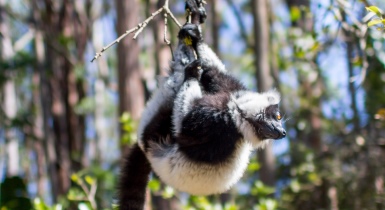
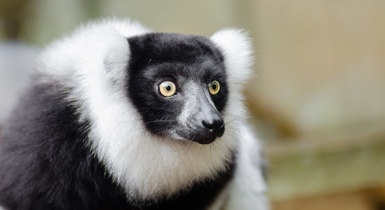
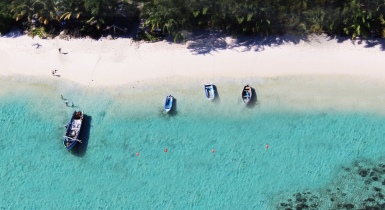
Madagascar's islands are surrounded by turquoise seas, pristine beaches and coral reefs teeming with fish. In terms of biodiversity, Madagascar truly is one of a kind, and visitors retain long, warm memories of their holidays here. Of roughly 200,000 known species found in Madagascar, about 150,000 are endemic, making Madagascar a wonderful and unique wildlife destination. Endemic to the island are more than 35 types of lemur and 3,000 species of butterfly, 1,000 orchids and 7 kinds of baobab tree. Madagascar also abounds with unusual and colourful flowers and other flora, as well as a diversity of reptiles, amphibians and birds.
You can get a feel for what's possible in Madagascar by looking at our sample Madagascar itineraries, which cover the length and breadth of the island and its surrounding archipelagos. Whether your interests are in wildlife, walking or beaches - or a combination of the three! - our team can help you plan a tailor-made itinerary that takes into account your budget and preferences. Contact us today to start planning your holiday to Madagascar.
Several of the images on our Madagascar pages are used with the kind permission of Kamili Safaris.
MADAGASCAR TRAVEL ADVICE
Travel in Madagascar during February and March is often advised against due to the risk of cyclones. This is the principal rainy season, though the east coast may experience cold rains between May and September.
Madagascar's central plateau tends to be cooler and drier than the coast with average temperatures between 13-19c April to November.
The coastal temperature varies between 21-32c.
There is excellent whale watching off Ile Ste Marie between July and September.
Infrastructure is limited, and so your Madagascar holiday should not be rushed - plenty of time is needed to get the most from your visit.